
November 1st. You peer through the rain streaming down your bedroom window. It might be raining down here, but it’s dumping up there. You pull out your touring skis (or snowboard), waxed the day before in preparation for your first shred of the year, and cover your body with Gore-Tex or a PFAS-free garment. On the way out, you flip the sign hanging on your front door. It’s written: “Gone Skiing”. As the November snow accumulates above treeline, the avalanche hazard grows considerably. It’s important to understand how the early season snowpack behaves and how it affects the rest of your winter.
Related: Pre-Season Preparation For Ski Touring: Get Ready To Shred
This article is merely informational and is by no means a substitute for proper avalanche training, such as an AST-1 course. Get the training before heading out in the backcountry. It’s crucial!
Early Season Snowpack and Weather Characteristics
The snowpack is a delicate beast during the early season months, consisting of October and November. With temperatures swinging on both ends of the thermometer, all it takes is one degree either south or north of the melting point (0°C/32°F) to completely alter the snowpack’s nature and affect your region’s avalanche activity.
Cold-Warm Transition
It’s common to have a cold, moist storm cycle dumping 40cm of snow on your local slopes, only to leave in its wake skyrocketing temperatures. The rapid warming trend kickstarts the snowpack’s transition from dry to wet, weakening the bond between layers and triggering a sudden spike in avalanche activity. The faster the transition is from cold to warm, the more unstable your snowpack will be in the short term. However, in the long run, rising temperatures near 0°C only strengthen the bond between layers.
Warm-Cold Transition
On the other end of the spectrum, the transition from warm to cold refreezes the snowpack’s surface, producing a thick crust that may persist throughout the season. As it gets buried under new snow, the crust provides an ideal bed surface for subsequent avalanches as it does not bond well to its adjacent layers.
Shallow Snowpack
Shallow snowpack depths compound the effects of warming or cooling temperatures due to their steeper temperature gradient. More specifically, the snow grain’s metamorphosis (changes in shape) happens way faster in shallow snowpacks. In layman’s terms, thin snow reacts to temperature changes. Generally speaking, a shallow snowpack, much faster since heat travels through it at a much faster rate. Generally speaking, a shallow snowpack, such as the one found in the Rockies, is a whole lot more delicate when temperatures start swinging on both ends of the thermometer than a deeper snowpack, such as the one found in the Coast Mountains.
Ground Roughness
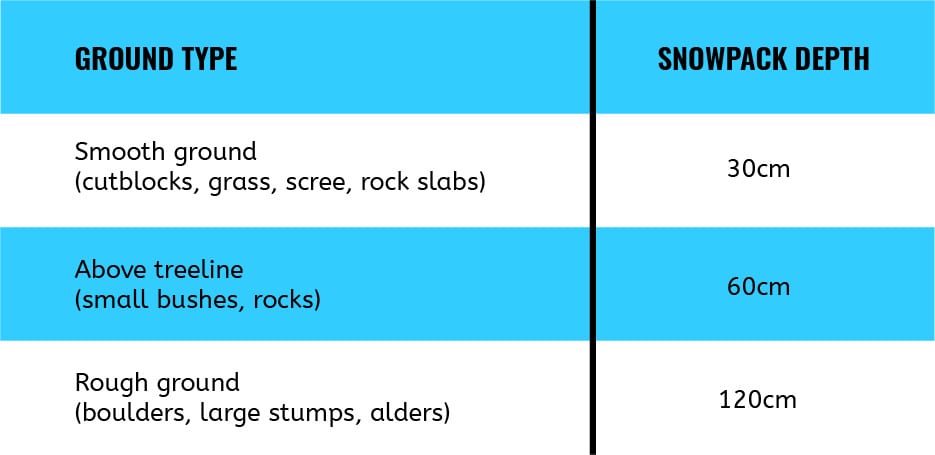
In an early season snowpack, a key concept is ground roughness. Rocks, bushes, and trees anchor down the snowpack during the early season, hampering the avalanche phenomenon. Ground roughness refers to how many of those anchors are present on a given slope as well as how big they are. It affects the amount of snow required for an avalanche to run its course. On rough ground, the snowpack must first be deep enough to cover those anchors before there’s any chance of avalanche activity. Here’s a general guideline (provided by Avalanche Canada) on snowpack depth required for avalanche activity:
Surface Warming
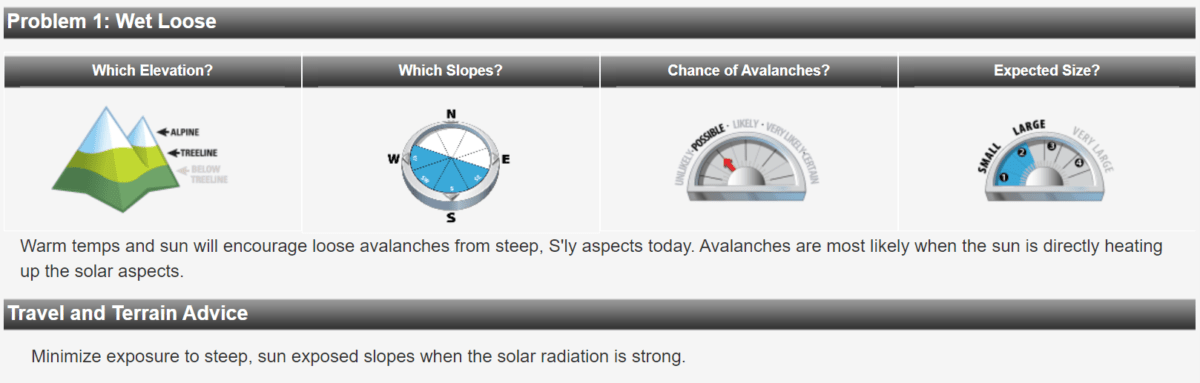
As the snow surface approaches its melting point due to solar radiation or warming temperature, it progressively turns into water. The increased water content breaks down the bonds between snow grains (otherwise known as snow crystals), weakening the snowpack. Meltwater then trickles down the snowpack, lubricating the interface between layers. The weakened snowpack results in increased avalanche activity. This is the number one problem affecting the early season snowpack.
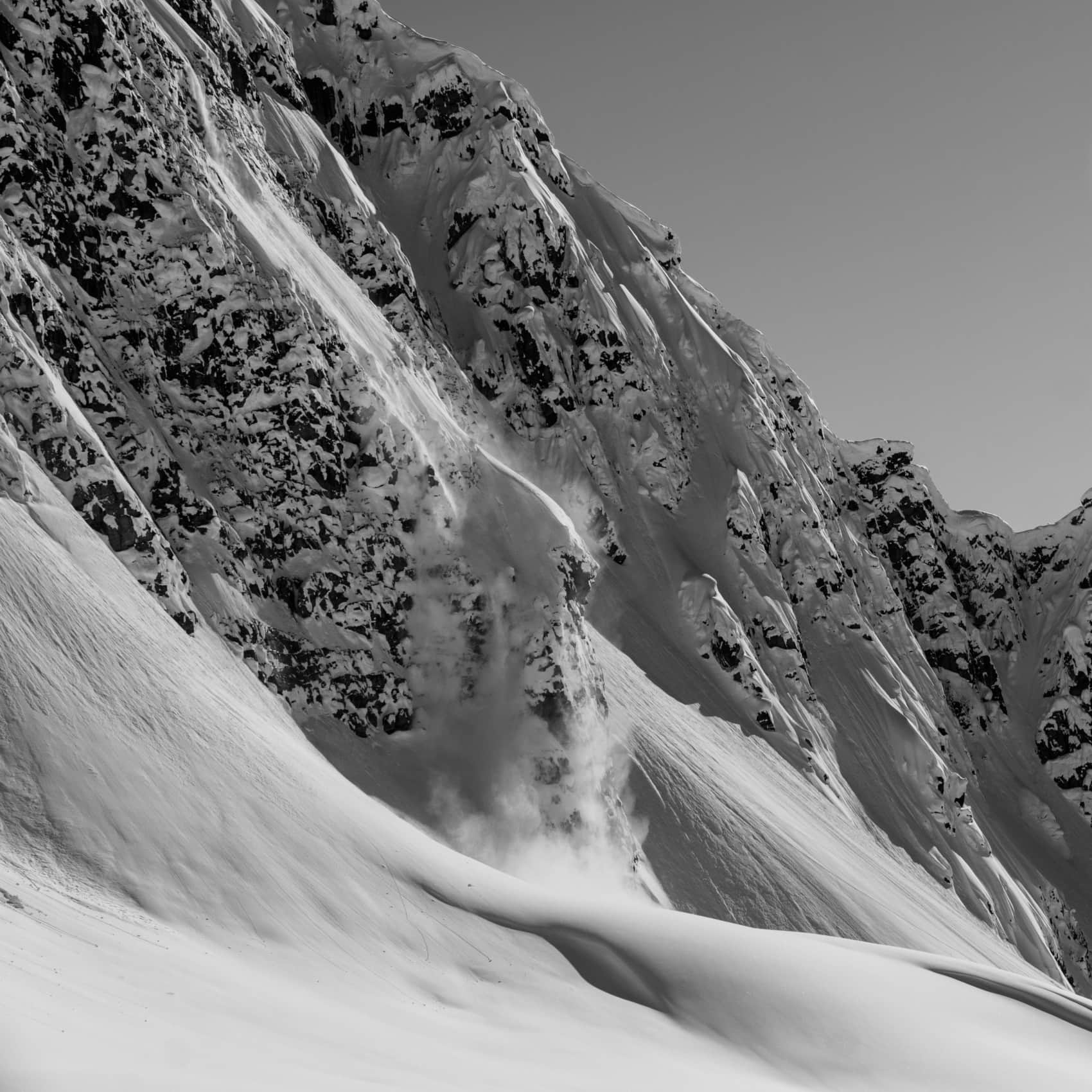
Surface warming is the main natural avalanche trigger. It also increases the likelihood of human-triggered avalanches through problems such as storm and wind slabs. As the meltwater trickles deeper through the snowpack, persistent and deep persistent slabs become more sensitive to human or natural triggers.
Early Season Avalanche Problems
The combination of a thin snowpack, swinging temperatures, and stormy weather creates a few key avalanche problems, either in the form of persistent weak layers (PWL). A PWL is a layer of snow filled with grains that don’t bond well together or with adjacent layers.
Melt-Freeze Crust
Melt-freeze crusts are formed by temperatures rising above the melting point, followed by the surface snow freezing once temperatures dip back below that point. With temperatures hovering close to the melting point in October and November, it’s no surprise that melt-freeze crusts are ubiquitous. As subsequent snow layers bury the melt-freeze crust, it becomes an ideal bed surface (sliding interface) over which avalanches can run.
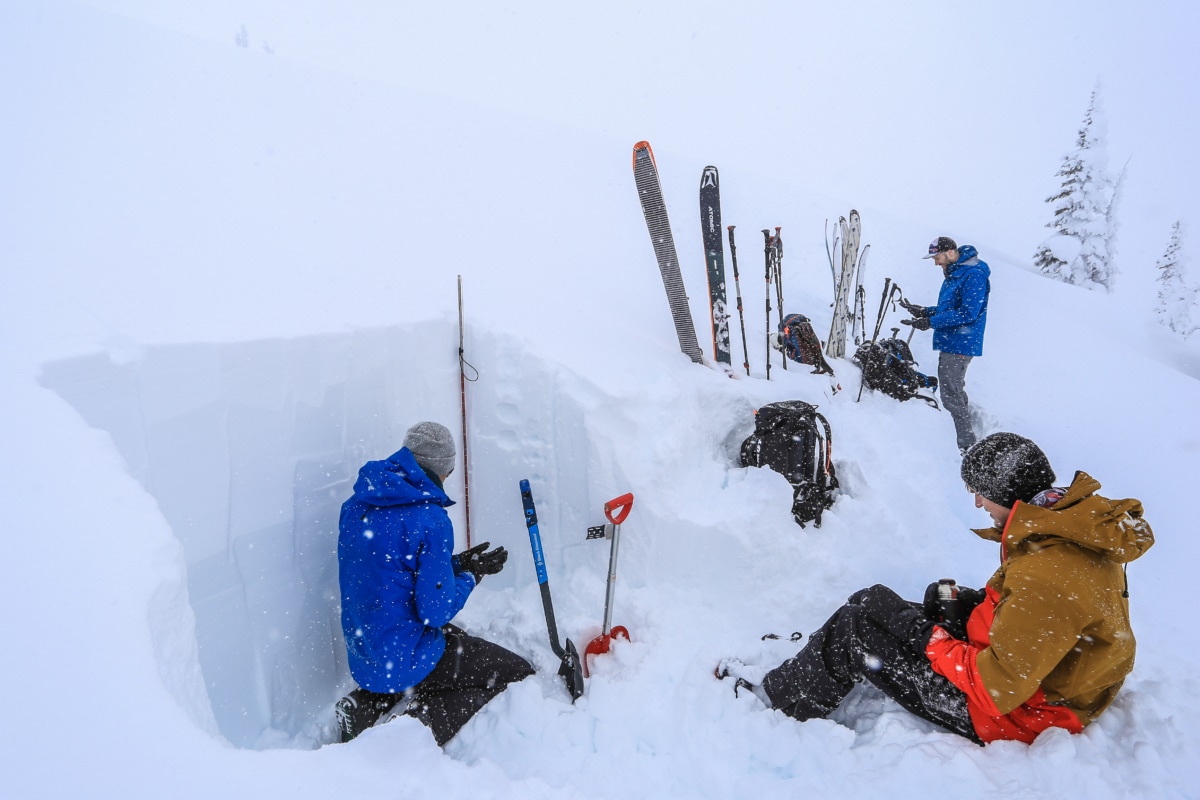
A buried melt-freeze crust may foster the formation of facets (sugar snow), a common weak layer found within the snowpack. The facets are considered a persistent weak layer (PWL), the cause of persistent slab avalanche problems. Over time, it may “heal” and break down into stable, rounded grains.
Sun Crust
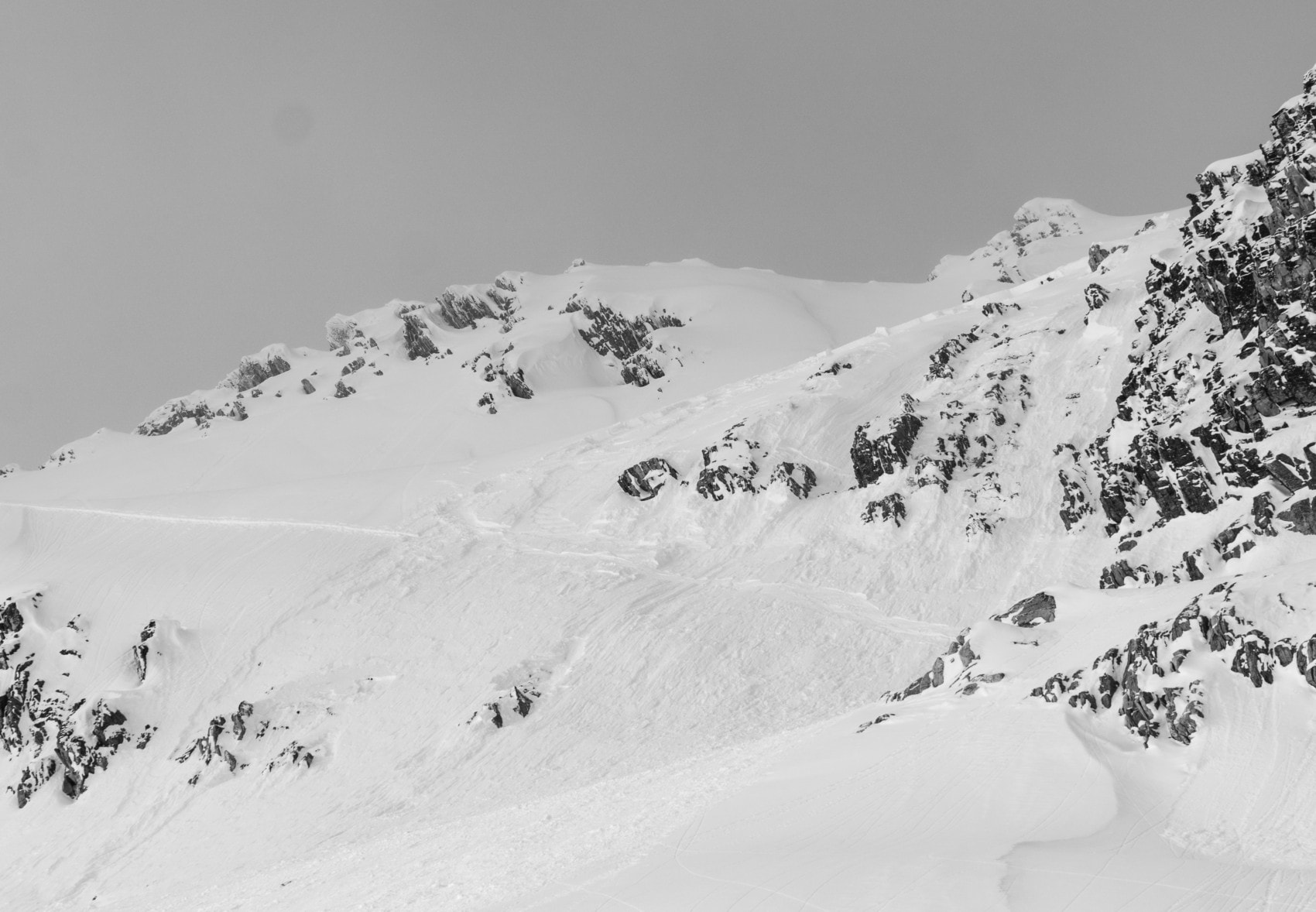
Sun crusts are a category of melt-freeze crusts whereby surface warming is provided by intense solar radiation. In early winter, sun crusts will only be found on steep, southerly solar aspects (S and SW slopes). Steep slopes with an incline ranging from 30 to 40 degrees are also where most avalanches happen.
Rain Crust
Sadly, it’s common for freezing levels to rise above the valley bottoms and see freezing rain ruining our precious powder. Rain crusts differ from melt-freeze crusts in that freezing rain instantly forms a thin ice layer over the surface snow instead of the thaw-freeze cycle building a thick crust. This crust becomes an ideal bed surface once buried under subsequent snowfall.
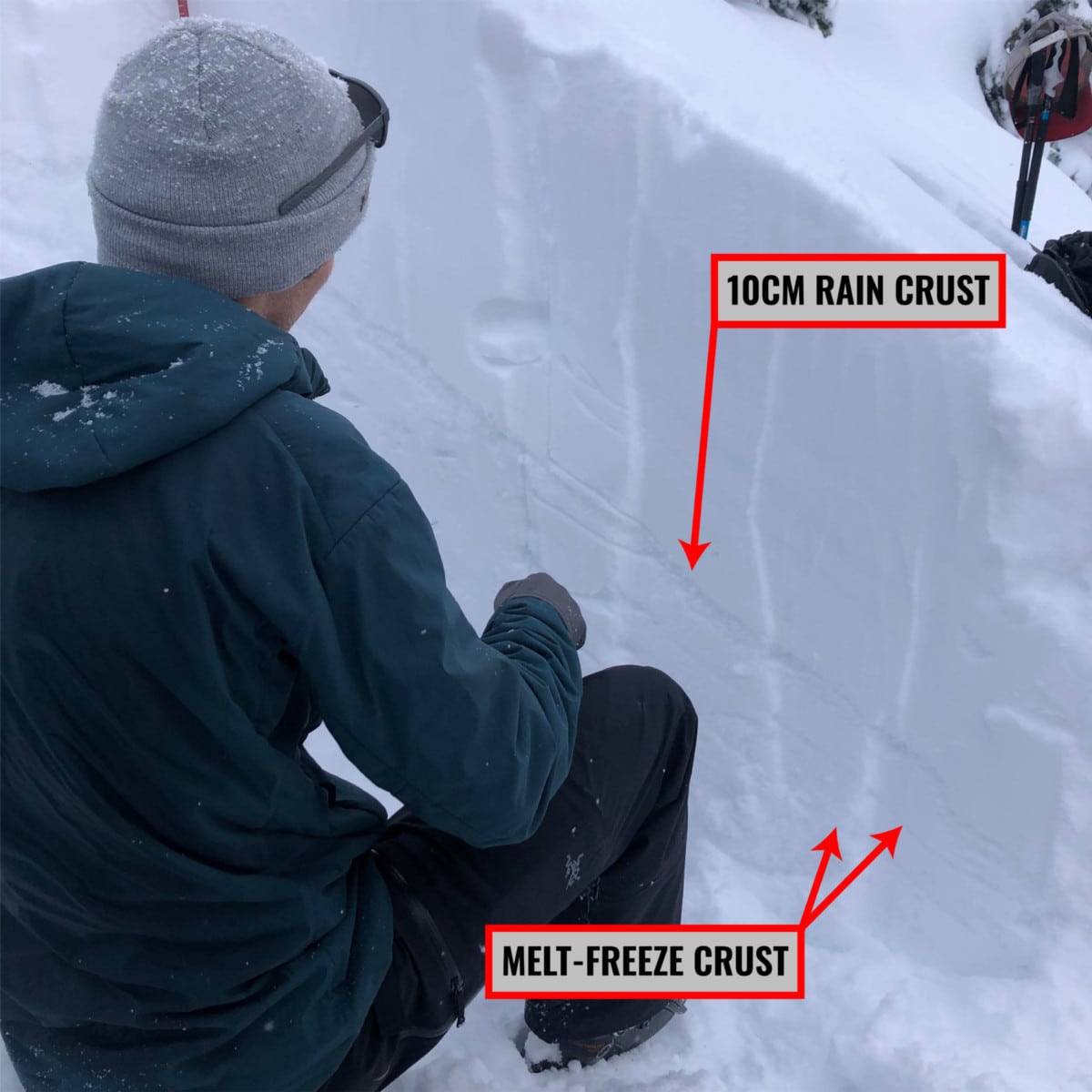
How do you spot the difference between crusts? Rain crusts are usually thinner than melt-freeze crusts. They glisten in the sun. You’ll also spot narrow channels, called rain runnels, through which the water percolates downslope. Rain crusts typically take longer to “heal” than melt-freeze crusts once buried and may lead to a persistent slab avalanche problem as the season evolves.
Basal Facets And Depth Hoar
Basal facets and, at a later stage, depth hoar are types of snow grains that don’t bond well together. They are found at the base of a snowpack. Basal facets and depth hoar are likeliest to form in a thin early season snowpack exposed to extended cold weather. This is a situation where digging a snow profile is so crucial: it’s the only way to detect them. You’ll spot them as large square or rectangular crystals with defined, sharp edges.
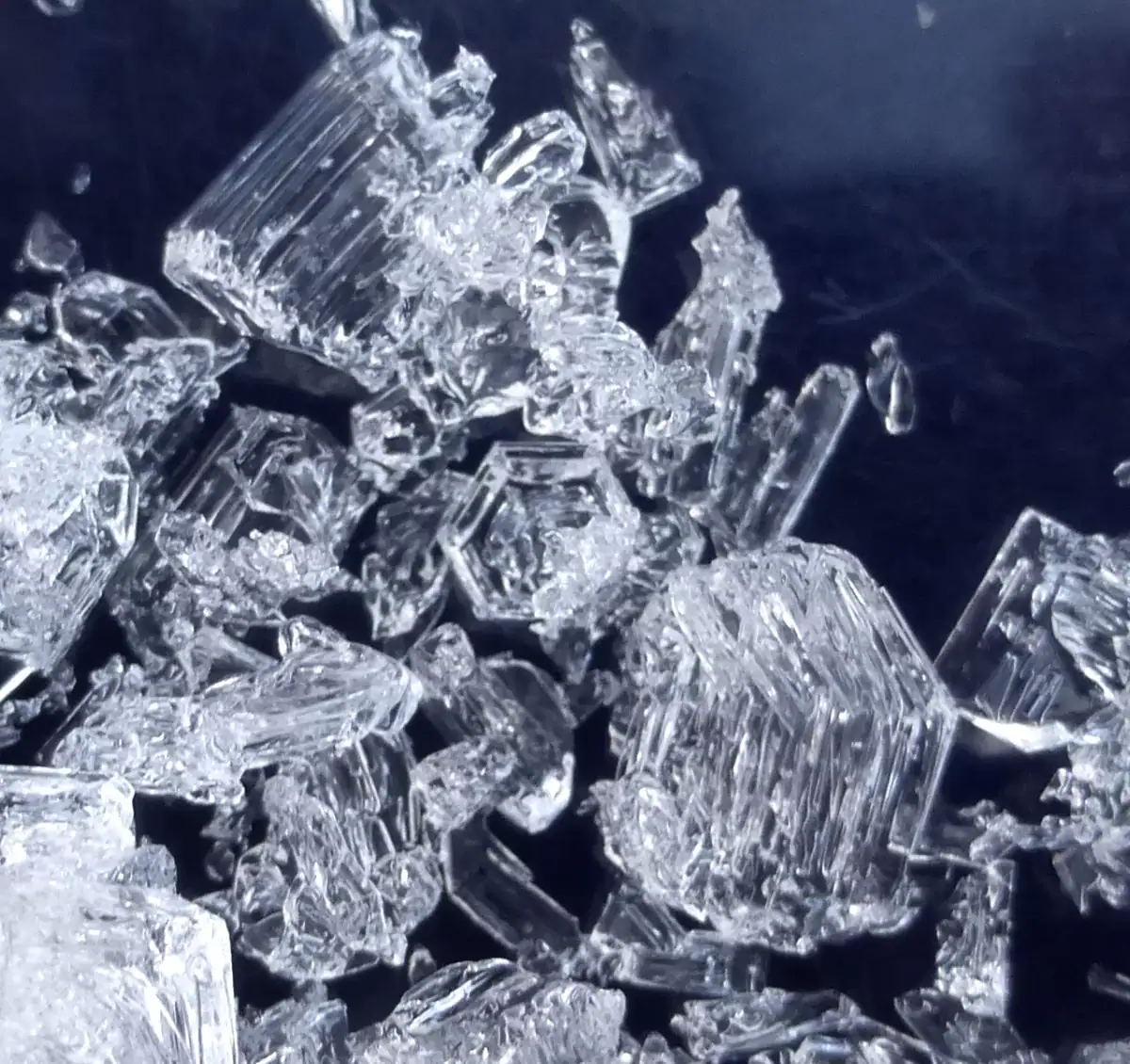
Depth hoar is a late-stage basal facet, larger than its counterpart and has a cupped shape. They’ll flake off to the touch, akin to sugar. Eventually, basal facets and depth hoar become PWLs, which may trigger low-probability, high-consequence avalanches that step down to the ground. Those destructive avalanches are particularly unpredictable. Beware!
Glacier Ice
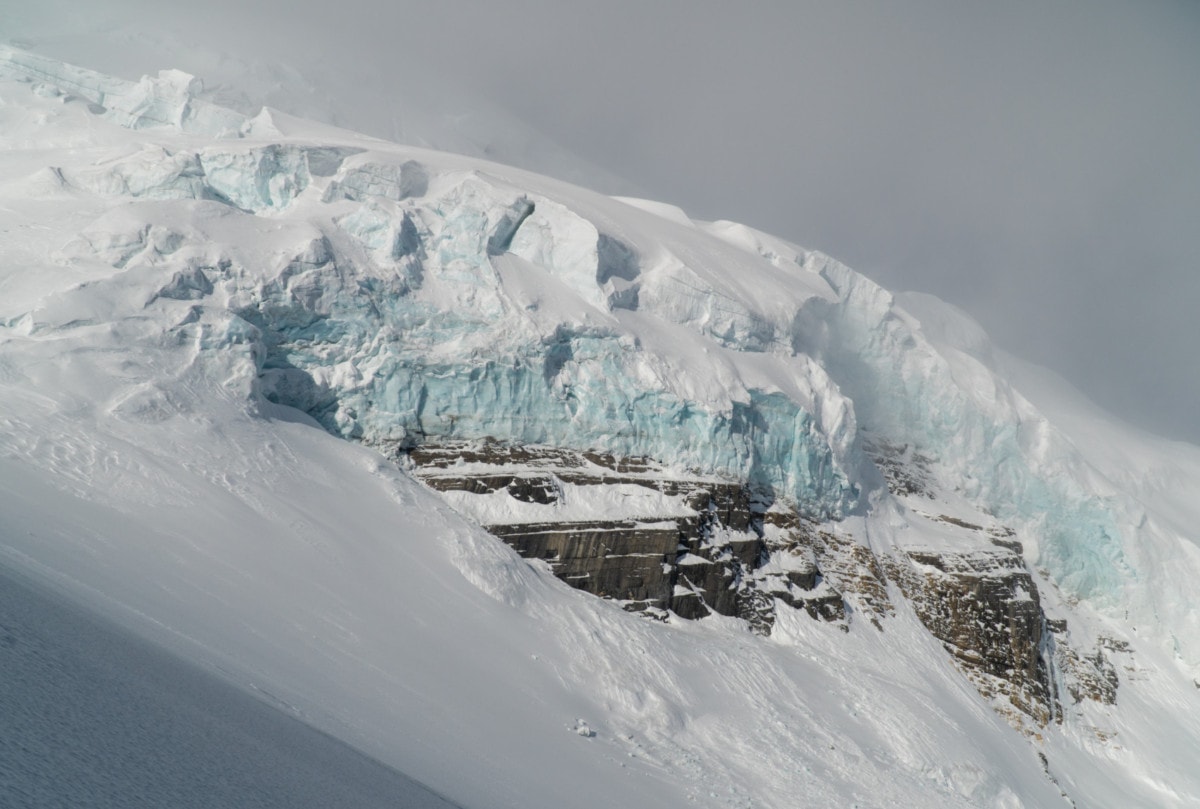
Glacier ice is another ideal bed surface due to its smoothness. As summer transitions into fall, the first snowfall does not bond well to the ice. Since glaciers are found at higher elevations where winds are stronger, it’s common to see wind slabs forming on top of glacier ice. It can take as little as 20cm of stiff snow to start seeing some avalanche activity. In any case, I wouldn’t recommend skiing on glaciers with a thin early season snowpack for many other reasons – think crevasses and bergschrunds.
A Word On Spring Ski Touring
Now that I’ve discussed at length the hazards encountered in the early season snowpack, let’s consider another part of the ski touring season: Spring. Springtime weather patterns cause a drastic metamorphosis in the snowpack. During this transition, you’ll see a dramatic increase in avalanche activity. In the long term, warm weather will stabilize the snowpack, helping set the scene for exciting multi-day ski touring traverses and spring basecamps. I’ve discussed spring ski touring strategies in the following posts:
- Spring Ski Touring Basics: Weather, Corn Skiing, And Avalanches
- Planning A Spring Ski Tour: Optimize Your Peak Pursuit
- Spring Ski Touring Gear: The Essential Goes A Long Way
Pingback: Ski Touring In Rogers Pass, BC: All You Need To Know - The Uptrack
Pingback: Ski Touring In Rogers Pass, BC: All You Need To Know - The Uptrack