

So you want to be a heli-ski guide? Or simply curious about this one-of-a-kind career? With the air sizzling over the pavement during a typical August heatwave, I can’t stop thinking of skiing, specifically heli-skiing. Discussing such a subject might bring some skeptics around – The Uptrack is a ski touring blog for the most part. Why would I write about another else? I like variety… To change things up, I’d like to introduce you to my other day job, using helicopters to shred powder at Selkirk Tangiers Heli Skiing. It’s a proudly Canadian sport, and it’s so addictive!
Related: The ACMG Ski Guide Certificate: What Does It Take?

How Was Heli Skiing Born?
Heli-skiing was born from a simple concept: alpine access. Before ski touring was in vogue, folks wanted to ski powder in remote mountain ranges. That was impossible for a time, until helicopters came along. Originating in the early 1960s in British Columbia, Canada, heli-skiing was pioneered by Hans Gmoser, an Austrian-born mountain guide and one of the founding members of the Association of Canadian Mountain Guides (ACMG).
Gmoser initially used helicopters to support alpine climbing expeditions, but quickly realized the aircraft’s potential for skiing. In 1965, he officially launched the first commercial heli skiing operation under Canadian Mountain Holidays (CMH). The base was located in the Bugaboos, a rugged subrange of the Columbia Mountains. That year marks heli-skiing’s official beginning. We’ve come a long way from the days of heli-skiing in a dinky Bell 47G-2. Nowadays, heli-ski operations offer both small and large group packages, mostly using the A-Star and Bell 212/412 helicopters.
A Primer On Heli-Skiing
The sport involves using helicopters to reach a high point in the middle of the mountains, the landing. From its perch, the heli-ski guide unloads the guests and leads them down the run while managing a variety of hazards. Since heli-skiing terrain is typically uncontrolled – unlike the resort – the sport comes with its fair share of hazards ranging from avalanches, tree wells, crevasses, and much more. Sometimes, the guests are a hazard to themselves! After skiing the world’s best powder, the group arrives at a suitable spot, large enough for the helicopter to pick up the group. That’s called the pickup. Now, rinse and repeat a few more times with a backcountry lunch sprinkled in the mix and some beers at the end of the day.

Most heli-ski operators offer a range of packages. Let me touch upon the basics. Starting with the cheapest, the multi-group package offers a shared experience, whereas a single helicopter ferries 2-4 groups. This can either be in a small group format (4-5 guests) or a large group format (8-10 guests). Next up, the private package is the pinnacle of heli-skiing, where one group books the entire helicopter for the duration of their trip. That’s the red-carpet experience, and it comes at a hefty price.
From the guest’s perspective, heli-skiing is just fun and games. However, from the guide’s side, it’s a symphony of controlled chaos, requiring complex decision-making in the face of mind-numbing logistics, overwhelming hazards and unpredictable mountain weather. That’s what I love about it. While you’ll have an easy time convincing me to go heli skiing, the job itself is equally mentally and physically challenging as it is rewarding.
What’s My Day Like?
A heli-ski guide is essentially a very specific breed of backcountry leader. For the most part, we manage the group’s risk throughout the day while trying to achieve an objective – in this case, providing a world-class ski program out in the remote mountains. There’s also much more guest service than one would expect: demanding guests, scared guests, happy guests. We’ve seen it all. Within the guiding community, we sometimes jokingly refer to ourselves as “backcountry butlers” for a reason. Like any good dinner, our day is structured around the main course, the heli-skiing program, but there’s an appetizer (AM Meeting) and a dessert too (PM Meeting).
5:45 AM. To dust off the cobwebs from our heavy eyelids, the heli-ski guide starts the day with the AM meeting prep. Faced with an overwhelming amount of data ranging from local weather forecasts to information from neighbouring operations, I spend a good 45 minutes summarizing the key information into an easily digestible report to be presented at the AM meeting. Little did you know, the Canadian Avalanche Association (CAA) uses an information gathering platform, specifically designed for avalanche professionals, called InfoEx. It’s arguably our most precious resource to share avalanche activity, incidents and hazard ratings throughout Canada. You can even see avalanche trends spanning from the West Coast to the East as a Pacific storm travels across the country.
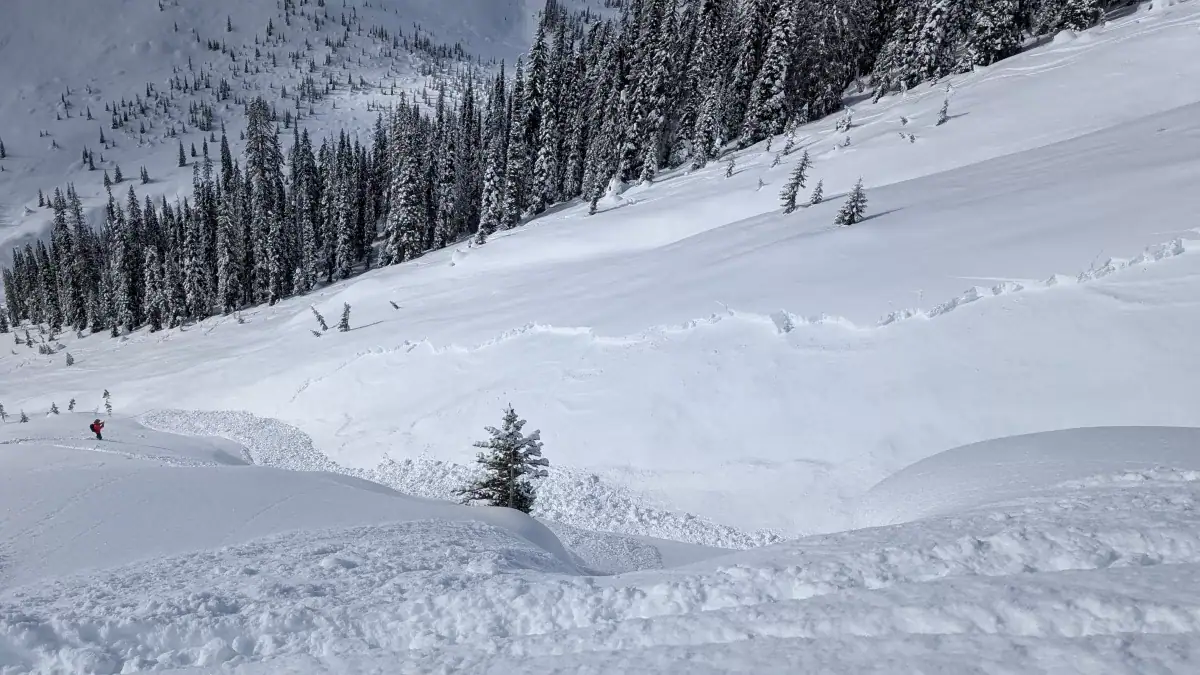
6:30 AM. It’s time for the AM meeting, which has two components: the AM avalanche forecast and the runlist. Starting with the former, all working guides sit down to establish an avalanche forecast based on the weather forecast for the day, avalanche observations from nearby operations and recreational backcountry reports. That’s where the meeting prep comes in handy, saving us time when parsing through the large dataset. We then identify key considerations:
- avalanche hazards (wind slabs, persistent slabs, etc.)
- natural hazards (crevasses, early-season conditions, etc.)
- human factors (team fatigue, powder fever, etc.)
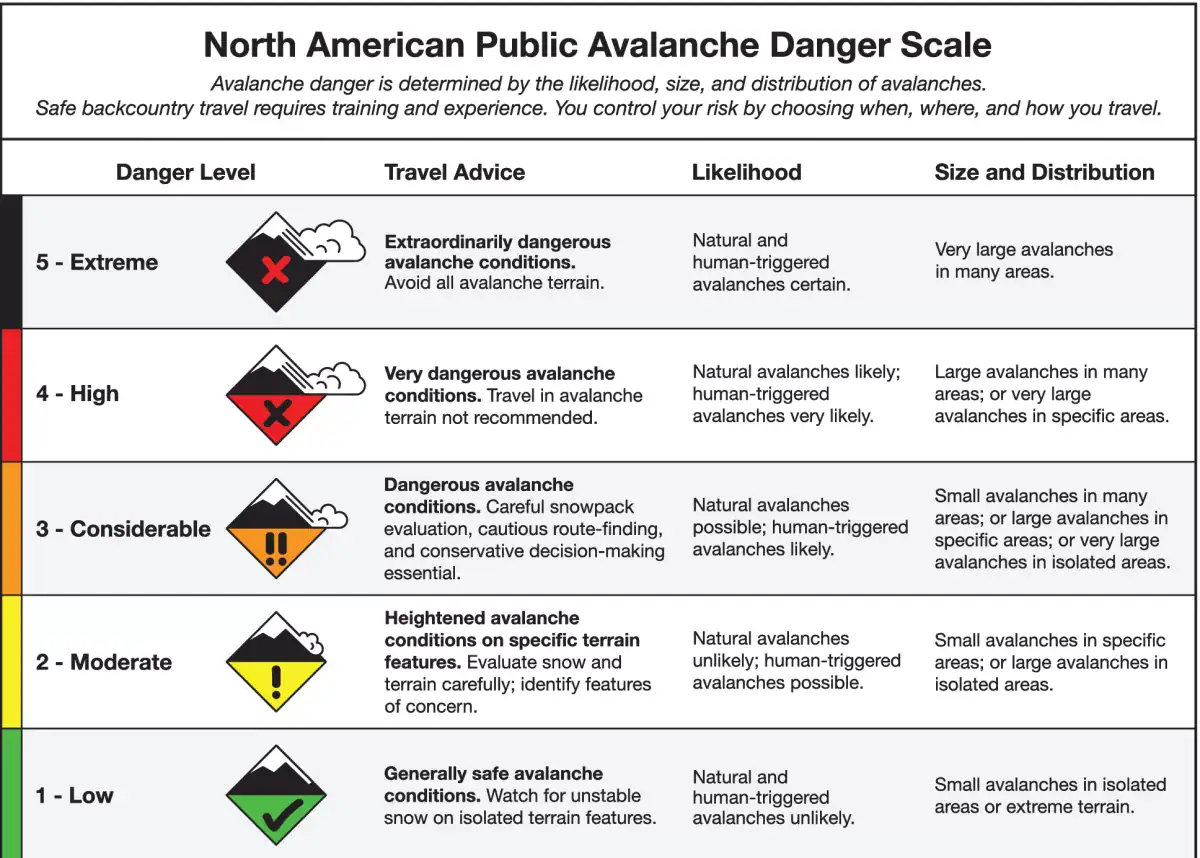
The heli-ski guides will then agree on an avalanche danger rating for the day based on the North American Public Avalanche Danger Scale. In short, what we expect to be the size, distribution and likelihood of potential avalanches in our operational tenure.
The AM meeting’s second step is the runlist. It’s a painstaking process that involves coding all of our heli-ski runs throughout the tenure. Since we have approximately 350 individual runs, some runs will remain undiscussed. First, we target areas that we’ll likely explore on the various ski programs. Green means open for the day. Red, closed due to the avalanche hazard. Yellow, open if certain conditions are met. Black, unskiable due to other hazards. This logical process maximizes the program’s safety and narrows down our options once in the field. The runlist also solidifies one concept: run selection is a team decision, not an individual one, even if our groups are kilometres apart in the backcountry.
7:30 AM. After a draining meeting, we’re famished. It’s time to have breakfast at the hotel bar with the rest of the team and chat with the lead guides about their plans for the day. We then gear up in the locker room, pack our bags with the appropriate equipment and grab our skis, ready for a wonderful day of heli-skiing.
8:30 AM. We met the guests at the hotel lobby. We either board our vans or take a short jaunt to the heli pads after completing an in-depth gear check. Before we can head into the mountains, the heli-ski guide delivers a clear and concise backcountry safety orientation to instruct guests on avalanche safety and how to ski with a guide. Shortly after, the pilot delivers a helicopter briefing – what to do and not do around helicopters. The last thing we want is heads flying off left, right and center.
9:30 AM. Let’s go skiing. Depending on the program and weather conditions, the groups will ski anywhere from four to upwards of 15 runs on a given day. Sometimes, this can amount to more than 12,000 vertical meters! That’s more than Mt Everest! At midday, we’ll hunker down in a remote, scenic location for a quick five-star meal in the mountains. Catered sandwiches, tasty treats, charcuterie and hot soup is on the menu.
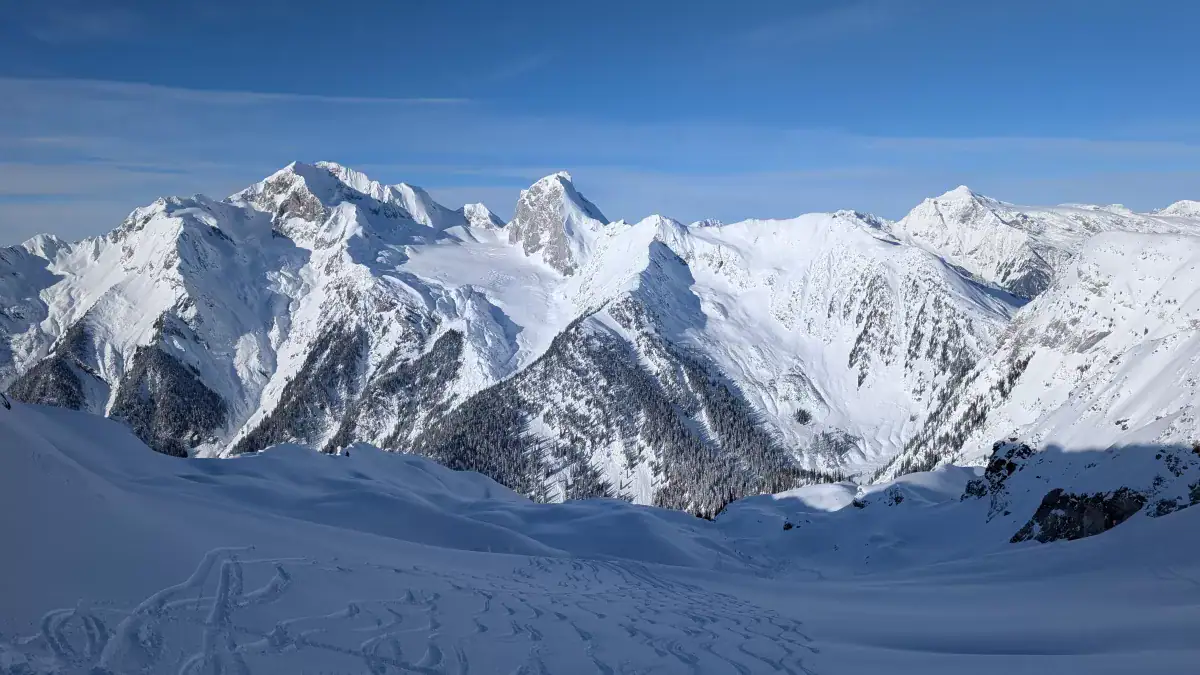
A heli-ski guide’s terrain selection is often based on the weather, hazards and guest considerations. On a stormy day with high avalanche hazard, we might be skiing through low-angle old-growth forests. On a bluebird powder day with expert skiers, we’ll opt for steep descents on rolling glaciers, providing breathtaking views and deep faceshots. Optimizing our terrain use based on those considerations is one of my favourite aspects of guiding. There’s also the huge smile across your guest’s face when you’ve delivered an unforgettable experience.
4:30 PM. After an epic day of helicopter-assisted powder shredding, we’ll have a beer at the bar with our respective guests. We’ll talk about everything and nothing at once: the day’s highlights, tomorrow’s aspirations, life’s challenges. Who knows! That’s a great time to check in with my guests and give them instructions for tomorrow’s program, if they’re booked in for several days.
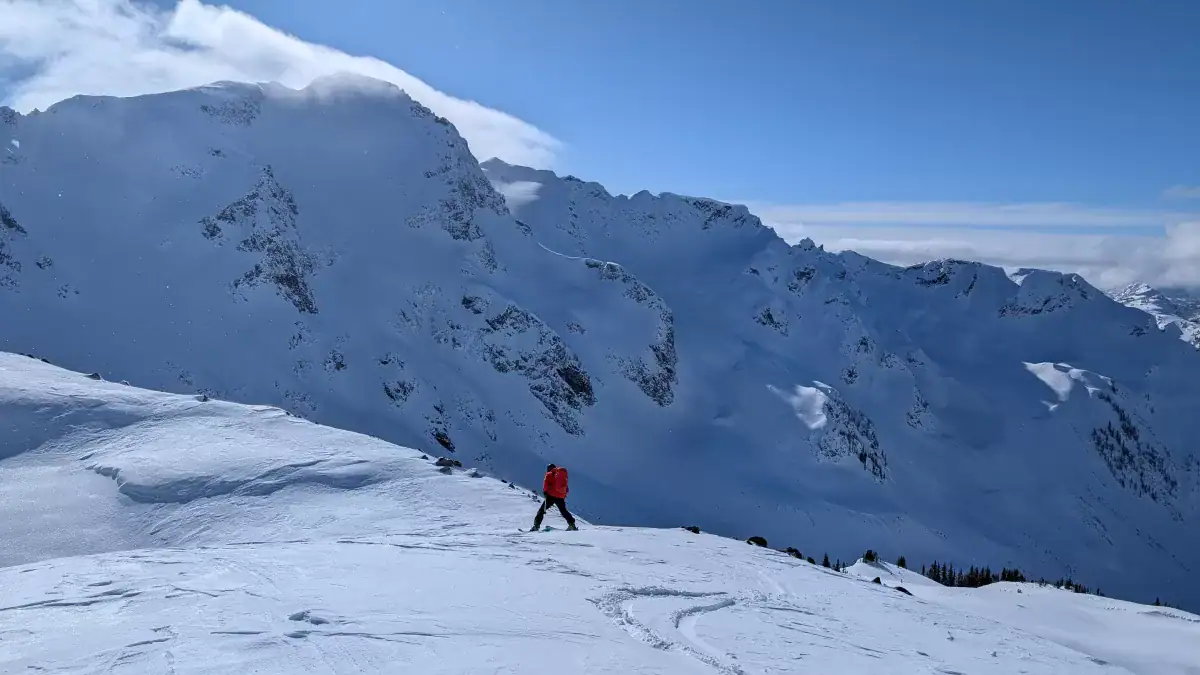
5:30 PM. It’s time for the PM meeting. The guides leading programs discuss the day’s details: what has been skied, what challenges were encountered, and how we could improve our ski product. They’ll also reflect on the accuracy of our morning avalanche forecast and issue a PM avalanche danger assessment based on our field observations. Thankfully, the process is much shorter than the AM meeting – about 30 minutes. After a long day, it’s time to head home and do it all again in the morning.
What Goes Through My Mind When Heli-Ski Guiding?
Guiding a heli-ski trip is not a simple endeavour. So many thoughts are going through my mind in a given minute. That’s what I love about heli-skiing – it’s so stimulating. Starting with basic avalanche considerations, I focus on finding the best snow given our avalanche forecast, the current weather conditions and my group’s experience. It’s a matter of combining all those variables to maximize the ski product.
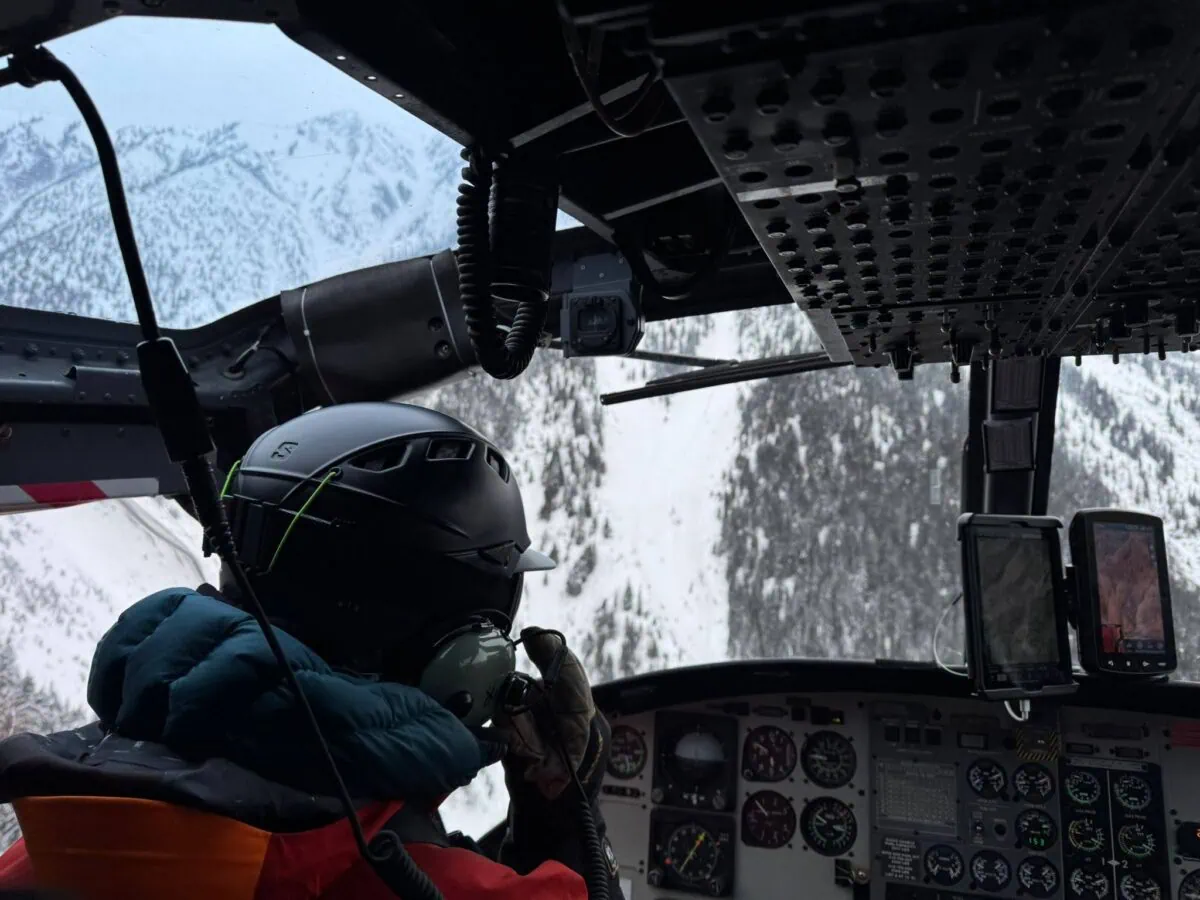
I then add the helicopter logistics to the equation. Can I safely fly to my target location? Poor visibility, icing and unpredictable winds can easily derail my plans. How familiar is my pilot with the ski tenure? A new pilot might shy away from a landing if the winds and visibility aren’t perfect, especially if he hasn’t landed there in the first place. How much fuel is left? The amount of fuel left onboard will determine our operating range. And, this gets even more complicated when several groups share one helicopter, as they often do!
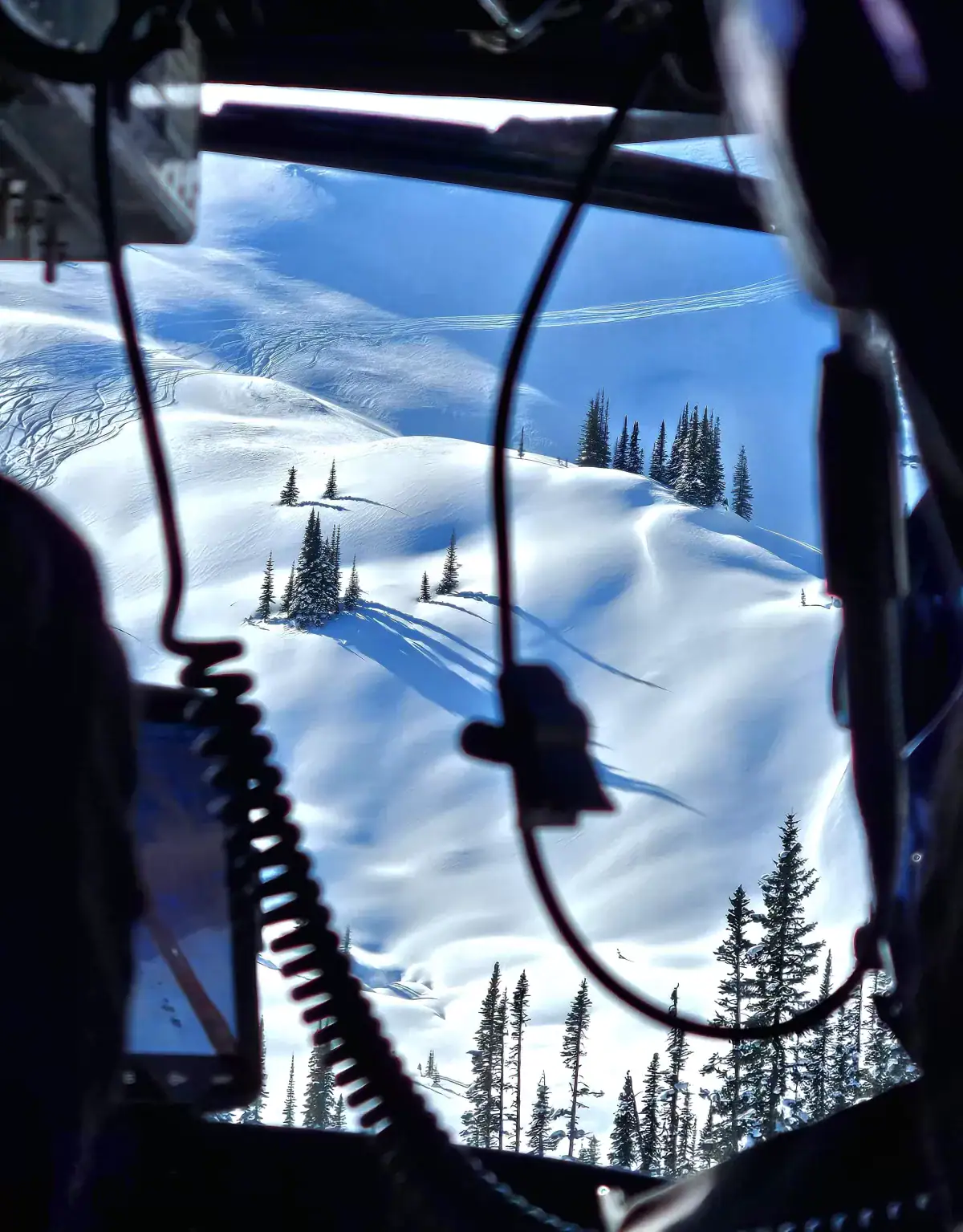
While flying over terrain, I spend most of my time scrutinizing the run. I’m specifically looking for key landmarks that I can use to steer the group on the slope. Over time, I’ve developed a strange skill: being able to visualize what those landmarks would look like from the ground after spotting them from the air.
As I identify potential hazards, whether it be from avalanches, crevasses or tree wells, I contemplate my options and settle on the best way down the mountain, one that maximizes the group’s safety while offering great skiing (or snowboarding).
I also guide a run differently depending on whether my group is mostly skiers or snowboarders. Unfortunately, snowboards don’t deal well with long traverses or slight uphills. This dramatically changes my route selection throughout the day. I’ll even avoid specific runs that are poorly suited for snowboarders. Minute details make a big difference to the guest experience.
What Do I Love About Heli-Skiing
Heli-skiing isn’t rocket science, but it’s not easy either. As you can tell, I’m passionate about heli-skiing as much as I’m passionate about ski touring. The two disciplines occupy two non-competing spots in my heart, and I split my time equally between them each winter. This passion goes further than simply wanting to ski the best powder in the world. I love heli-skiing’s fast pace and complex logistics. It’s both stimulating and challenging. As it goes with ski touring, it’s also highly rewarding. There’s nothing better in this world than witnessing your guests’ excitement after dropping them on top of a knife-edge ridge or after skiing snorkel-deep powder – the deepest they’ve ever seen. I strive to deliver a one-of-a-kind experience every day, and I consider myself incredibly fortunate! Based on my 32 long years of existence, there’s nothing else like it.