
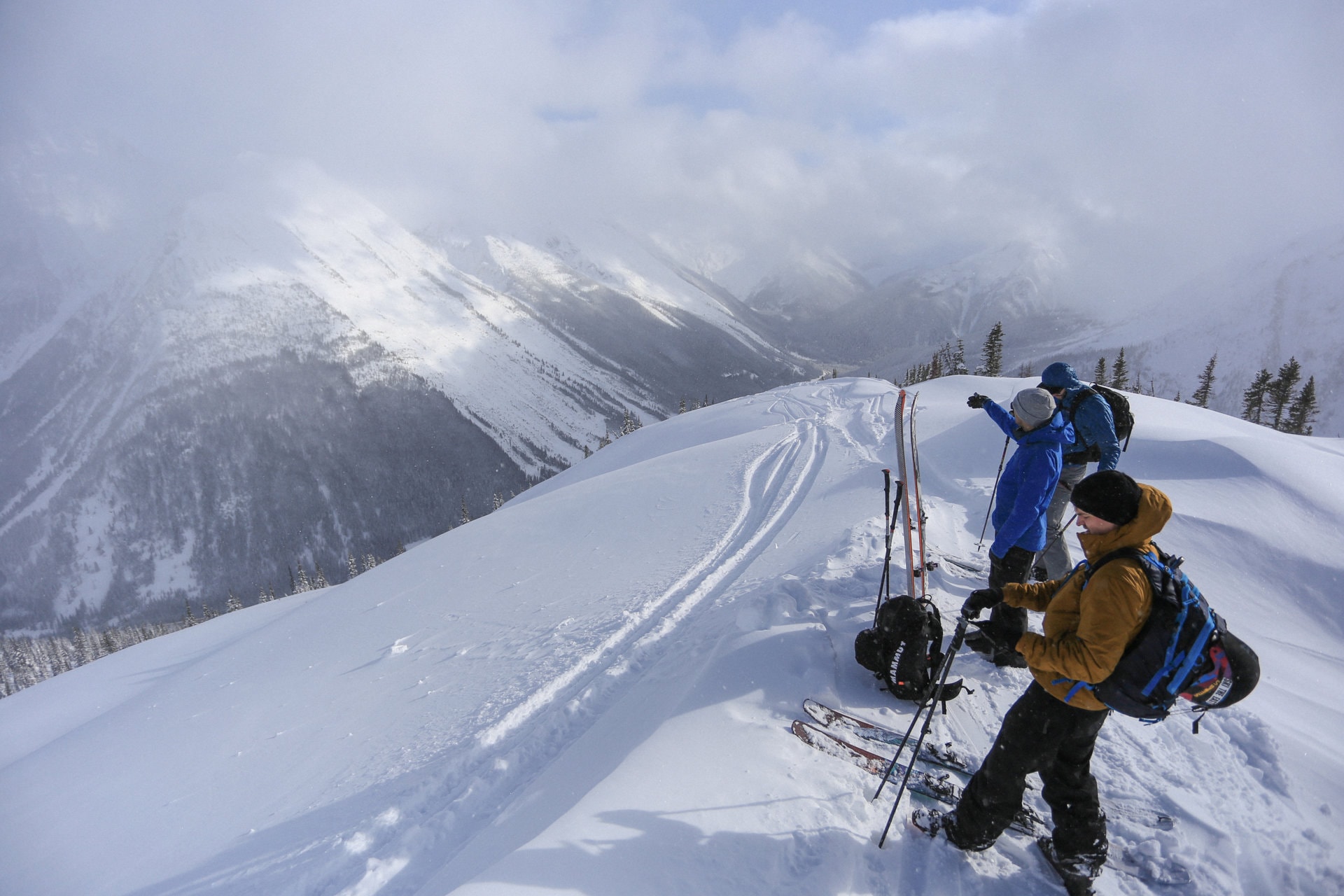
Ski touring in technical terrain taught me the hard way just how important it is to communicate clearly in the backcountry. I’ve lost sight of ski partners more times than I can count, and on one trip in my Revelstoke playground, that mistake nearly ended badly. I had left my VHF radio at home, thinking it was overkill for such a quick mission. We dropped into our line, a narrow chute, and I stopped halfway to set up for the rappel below. Without warning, my partner came in above me and kicked off a wave of sluff, a loose dry avalanche, that barreled straight toward me. For a split second, I thought I was going over the cliff. I threw myself flat on the slope, jamming my touring poles as deep into the snow as they would go, and braced for impact. The debris rushed past, and somehow I held on.
Later, I learned my partner had no idea I was still in the chute. A single call on the radio could have prevented the whole mess. That incident burned a key lesson into me: in the backcountry, clear and timely communication is mandatory. Ever since, no matter how small the mission, my VHF radio comes with me.
Related: Backcountry Skiing & Splitboarding Etiquette: The Dos and Don’ts
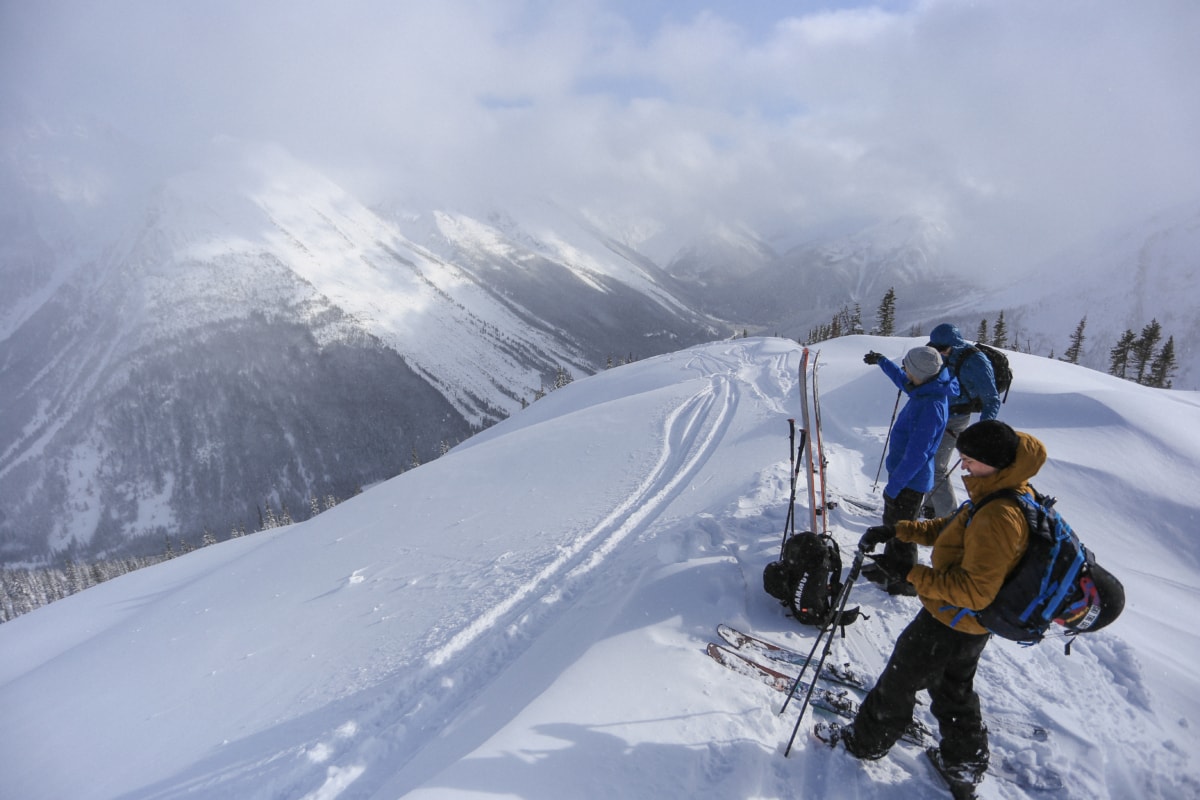
VHF Radios
A VHF (Very High Frequency) radio is a two-way communication device that operates between 30 MHz and 300 MHz. They provide handy two-way, line-of-sight communication (i.e. you can transmit and receive a signal) when out of cell service. Out in the bush, they’re commonly used in a mountain environment when driving on forest service roads.
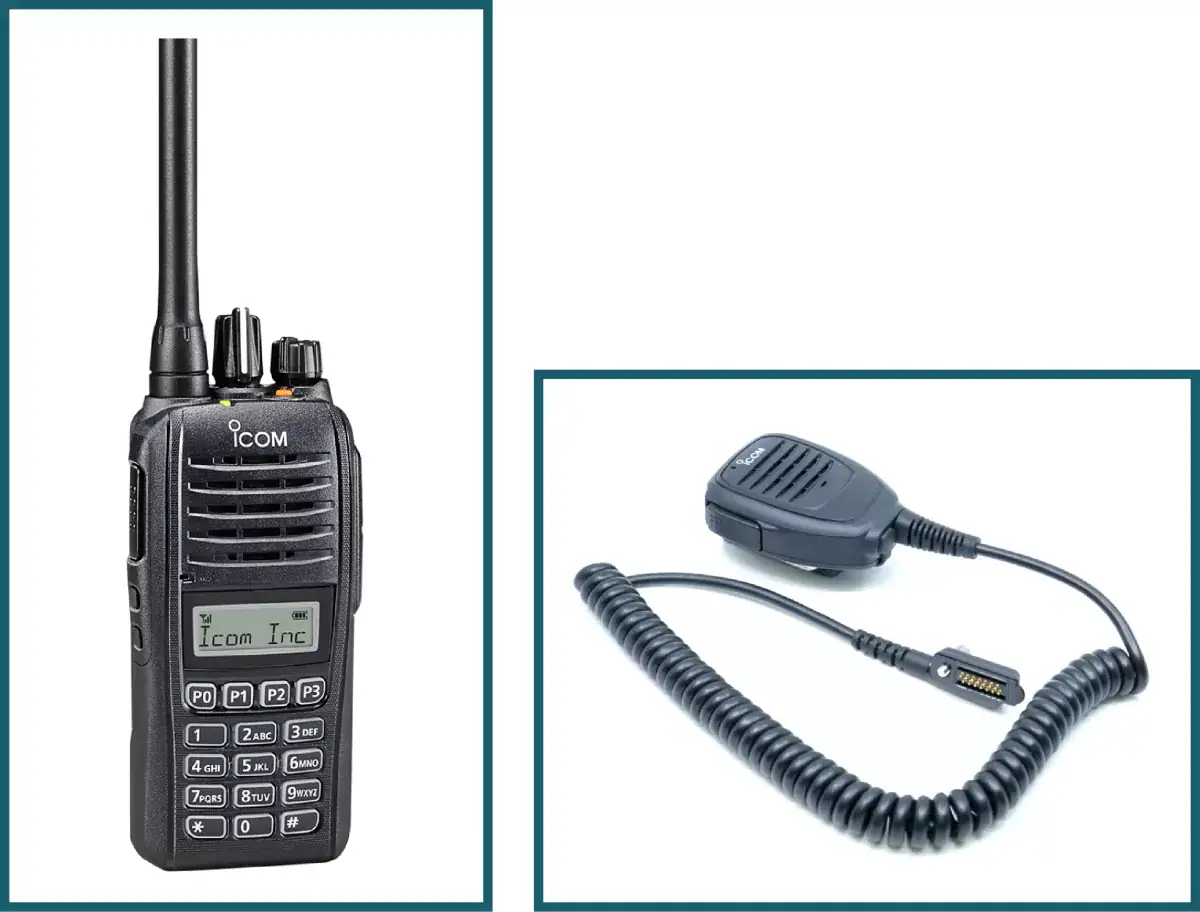
The backcountry skiing and splitboarding communities use VHF radios to communicate key information when travelling apart. For instance, VHF radios are often used for group coordination when travelling through avalanche terrain and for emergency communication. They’re more reliable than cell phones in remote areas without cell service, but the radio’s range depends heavily on terrain. You’ll have a hard time reaching someone on the other side of a mountain pass or high ridge.
Communicating In The Field
After having been burnt by poor communication in the backcountry, I’ve noticed something: a group that talks well skis better. Not just in terms of safety, but in flow. Concise, timely radio transmissions or even simple shouts are great ways to share key information, such as an unexpected change of plan due to poor ski conditions or an increased avalanche hazard. Here are a few handy examples of backcountry communication:
- Call out “dropping in 3” or “all clear” so no one skis above someone else, and risks triggering an avalanche. That would have been handy during the incident that I described in the introduction.
- Give brief updates like “transitioning here” or “meeting at the trees” to avoid splitting up your group in complex terrain.
- Keep tabs on each other when the terrain or avalanche hazard forces you to spread out or lose line-of-sight.
- Yelling “stop” or “go” when travelling on a glacier roped up to maintain the correct spacing between your group. This is especially important in whiteout conditions – you may not see your group’s leader.
It’s simple stuff, but it makes a huge difference in improving your group’s safety and flow through the mountains. Obviously, radios are great at sharing information, but hand signals or your voice are great tools for staying in touch.
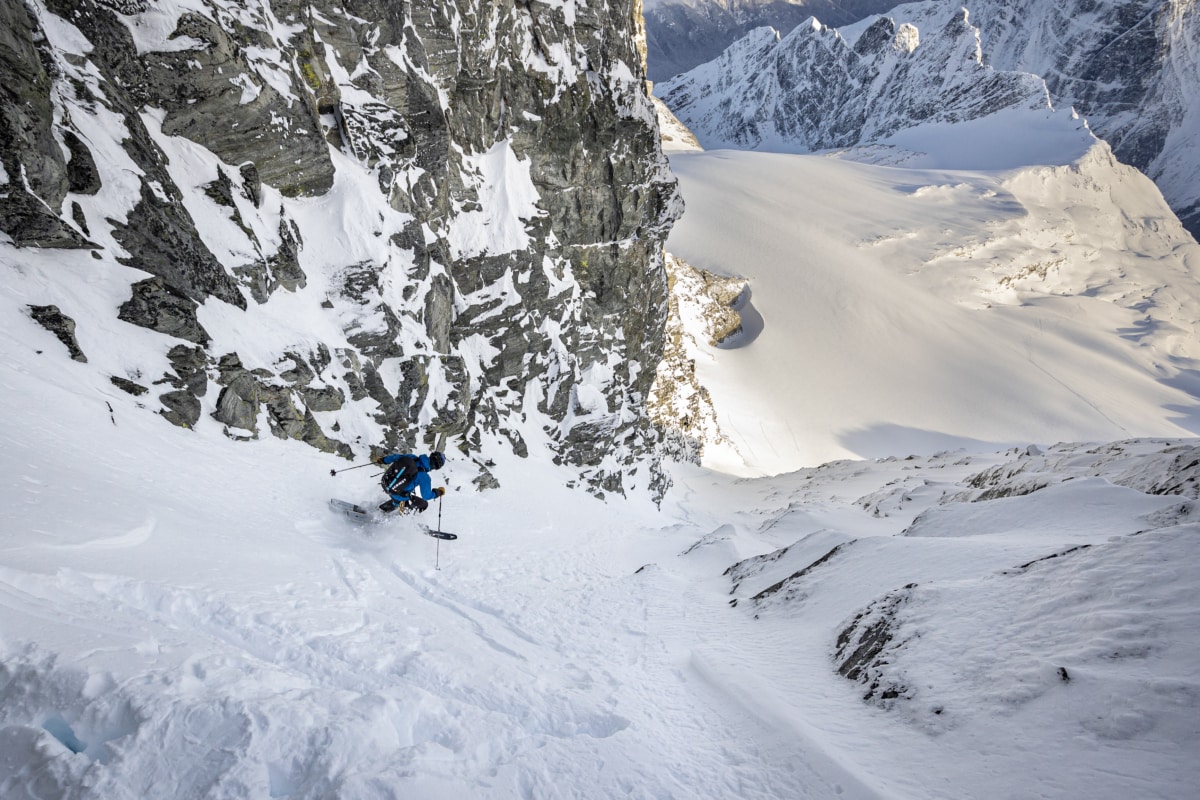
Ski touring and splitboarding isn’t just about reading the snowpack – it’s about reading your partners, too. Periodically checking in with your ski buddies helps maintain a clear mind and a common understanding of the risks when making hazard-related decisions. It’ll also prevent foreseeable injuries. Speak up when you’re faced with unnecessary risks, unreasonable exposure or ski conditions beyond your skill level. This is especially important as the weather turns for the worse or the route has to change due to unexpected hazards. In short, clear and timely communication keeps everyone safe and turns a tour into a shared adventure instead of a series of solo missions. These days, my radio is as essential as my avalanche transceiver, shovel, and probe. Silence can be the most dangerous thing of all in the backcountry.
Morning Talks & Evening Debriefs
Learning how to communicate when backcountry skiing or splitboarding involves mastering morning briefings and evening debriefs. Heck, there’s a reason why they are an integral part of the workflow in the professional avalanche world – guides and forecasters alike.
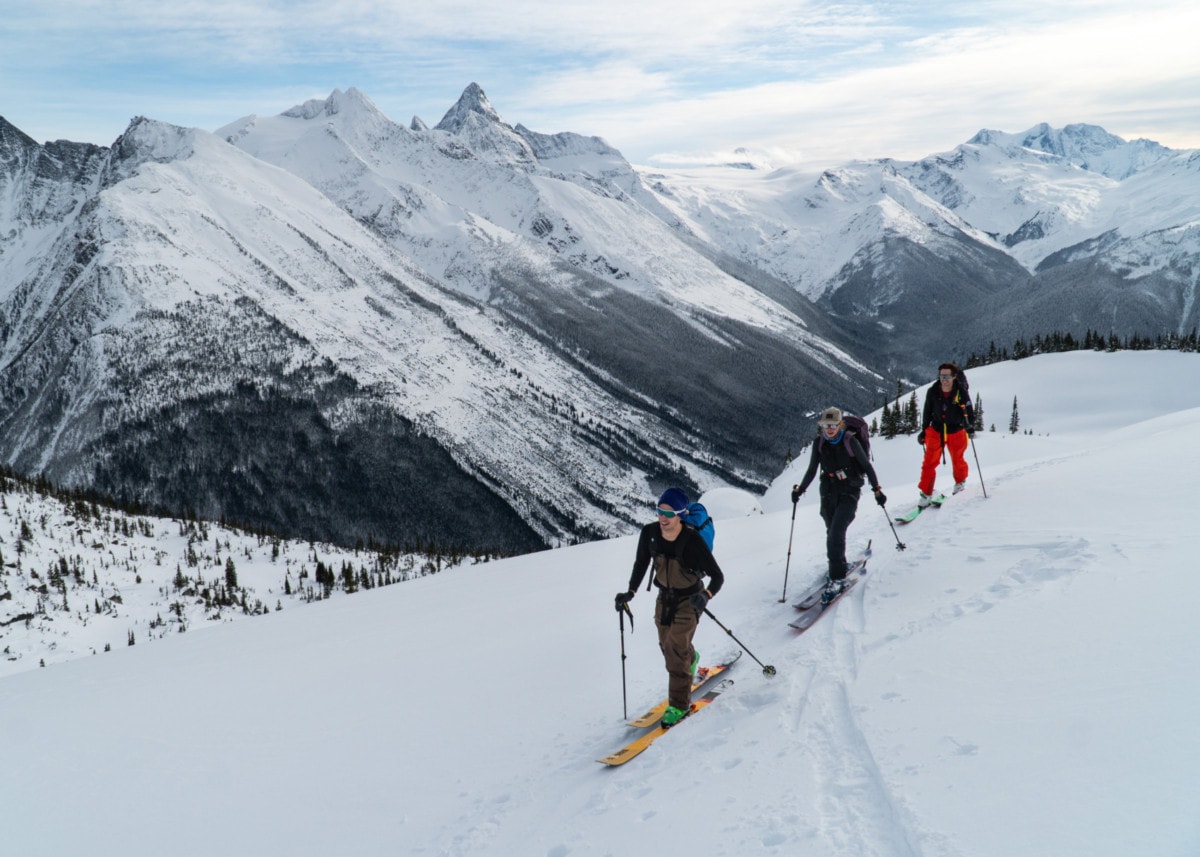
Morning Briefing: In preparation for a great day of ski touring, we first discuss possible objectives the night before. We identify a few interesting tours in accordance with the weather forecast and avalanche conditions. In the morning, we update our plan based on the overnight weather as well as the weather and avalanche forecasts. In my locale, the Avalanche Canada bulletin is a great resource for daily avalanche conditions and weather forecasts. This process is a crucial part of trip planning and involves clear communication within your group. Everyone has to be on the same page; otherwise, you’ll risk having spicy, mid-uptrack arguments.
Evening Debrief: A good day in the backcountry doesn’t end when you click out of your skis. Taking five minutes at the trailhead, in the parking lot, or even back at the cabin to debrief can be just as important as checking the forecast. Talk about what went well, what felt sketchy, and where communication or decision-making could have been sharper. It doesn’t have to be formal – sometimes, you’re just exchanging thoughts over an ice-cold beer. Those conversations build trust, sharpen your team’s awareness, and make the next tour smoother and safer.
Emergency Communication Devices
Emergency devices to communicate in the backcountry should be a crucial item on your packing list. When backcountry skiing, you can’t always count on cell service when it matters most. Even if you stack the odds in your favour, do everything right, injuries still happen. A blown knee or a fractured arm isn’t that uncommon. That’s why carrying an emergency communication device is just as important as packing your avalanche tools in the morning. We’ve touched base on VHF radios and how they keep your group connected in real time—calling “all clear” or “hold up” can prevent accidents before they happen.
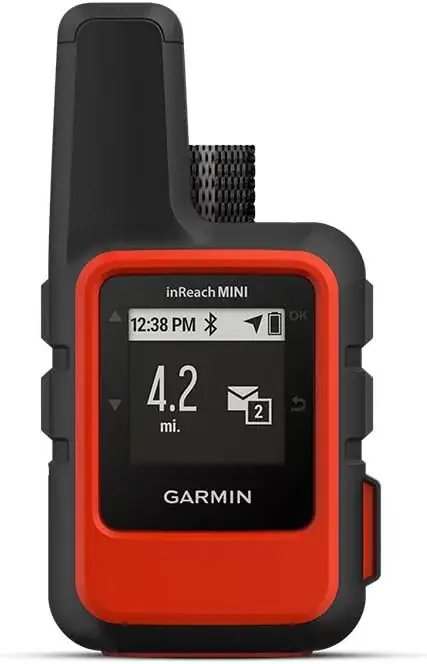
For reaching the outside world in the event of a backcountry rescue, satellite messengers like an InReach or ZOLEO let you text for help, while a personal locator beacon fires off a one-way SOS. I always carry a Garmin InReach Mini for its two-way text feature and Bluetooth pairing with your phone. I’ve used it in the past when faced with a serious injury in the Whistler backcountry. The helicopter rescue was surprisingly fast and efficient. Granted, the resources were at the ready before we placed our SOS call. This is Whisler after all – the busiest skiing destination in Canada. Most importantly, knowing how to use your emergency communication device and practicing its functions means you’re not relying on luck when the unexpected happens.